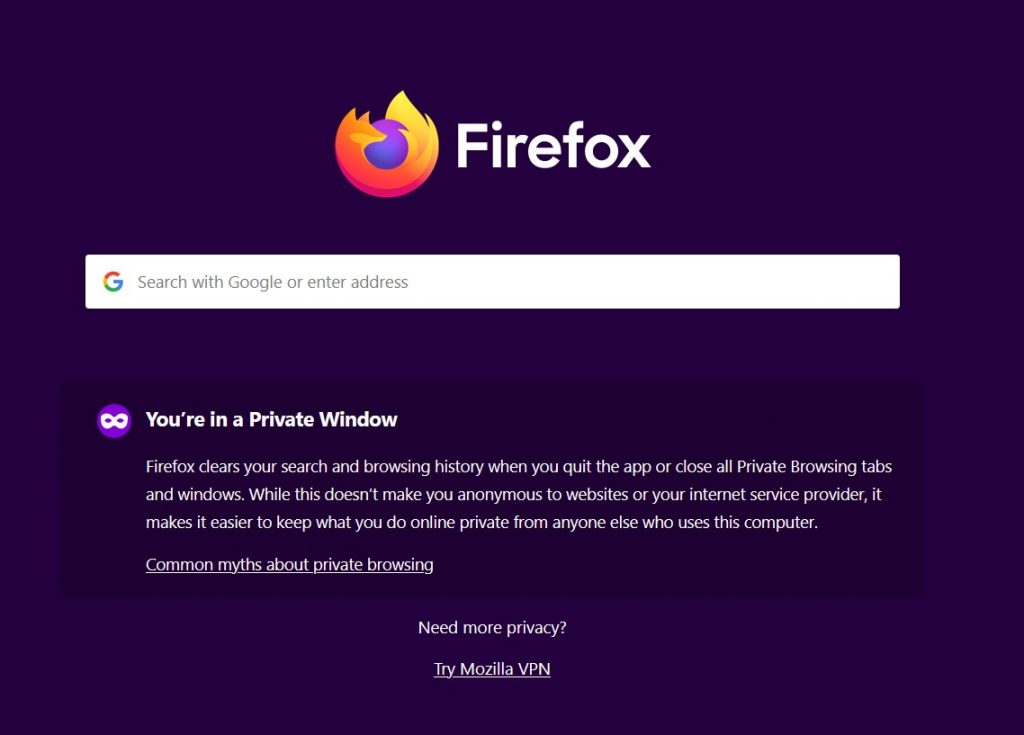
By early next year, Mozilla promises that cloaking your internet activity will become much easier. Technology that supports something like a "Do Not Track" button will be delivered soon. So what is this all about and doesn’t Firefox already keep people from tracking you?
Do Not Track Button Coming to Firefox
Firefox Gives You Crash Protection

There has been a pretty cool update to Firefox in the past 24 hours. If a plugin crashes or freezes, it will no longer affect the rest of your browser. You will be able to reload the page, restart the plugin and try again.
Learn More About Firefox 3′s Site Identification Button
Taking a deeper look at the new site identification button inside of Firefox 3, dria.org does a good job at taking it apart and showing you what it is all about. Honestly, it takes the padlock in browsers past and puts a whole new useful spin on it. No longer is it just a yes or no answer on if a site is safe. You get all kinds of useful information delivered right to you in a way you have yet to see in a next generation browser.
Check out more about Firefox 3: Site Identification button!
How to Use a Master Password
The fact that Firefox’s show passwords option is so easy to reach is often a godsend for me because more often than not I forget which login I used with which web site.
If your PC is used by more than one person though there is a security issue you may need to worry about when it comes to showing others your login information.
By default, if you go under Tools, then your Options and then the Security section, anybody could get in there and look at your user names and passwords – as long as they had access to your PC. To fix that you want to set a master password.
First go to Tools and then Options. From there your Firefox options window should pop up and you want to go to the Security tab. From there check the box that says “Use a master password”. Now another box should come up asking you for your master password – type it in twice, and make sure you remember it.
Now when you go to Tools, Options, Security and then under the Passwords section hit the “Show Passwords…” button it should ask you for your master password before showing all your saved password information.
Make Firefox Safe and Secure
Now I do come from the camp of folks that say that Firefox is mainly safe because it is not the tallest nail getting hit at this moment. Internet Explorer is harder hit on by those who wish to do you harm, so that is one reason why it is less safe than Firefox.
On the other hand though, Firefox is a “stupider” browser (no offense to my Mozilla friends) so it is harder for deviants out there to get it to do their evil deeds. No matter if you like Firefox or not, you have to admit there are a lot of great extensions out there that can make your browsing a lot safer. Nothing beats common sense, but having some of these extensions installed should be a good first line of defense.
Locationbar 2
I have never seen much editing or tweaking done with the address bar inside of Firefox. Maybe people are afraid of messing with what works? Maybe folks just like it the way it is? No matter what the reason might be – it has not been done before till now. I have been playing with Locationbar 2 today and I have to say it is pretty neat. Some of the features include:
- Decodes URLs for better readability
- Hides featureless parts of URLs
- Reduces the spoofing risks of URLs
+ Learn More About and Install the Locationbar 2 Extension for Firefox!
Mitchcraft
- My Initial Firefox 4 Thoughts Jan/18
- Goodbye Status Bar, Hello Add-on Bar Jan/19
- Optimized Firefox for Windows? Oct/20
- RIP Xmarks Sep/28
- Shrink the Firefox 4 Add-on Bar Mar/08